

About Us
Sanjeevani Ayurveda, is a centre for healthcare through authentic Ayurveda established by Dr Geeta Patil.
Dr Geeta is an ayurvedic Consultant with over 20 years of experience. She treats patients by giving indetail counselling regarding treatment , diet and lifestyle management and if necessary customised Panchakarma therapies.
Contact Info
- Bangalore, India
- (+91) 7483065036
- wellness.sanjeevani@gmail.com
- All Days Open: 8.00AM to 8.00PM
Ayurveda Blog
🌿 Stress Silently Affects Metabolic Balance: An Ayurvedic Perspective
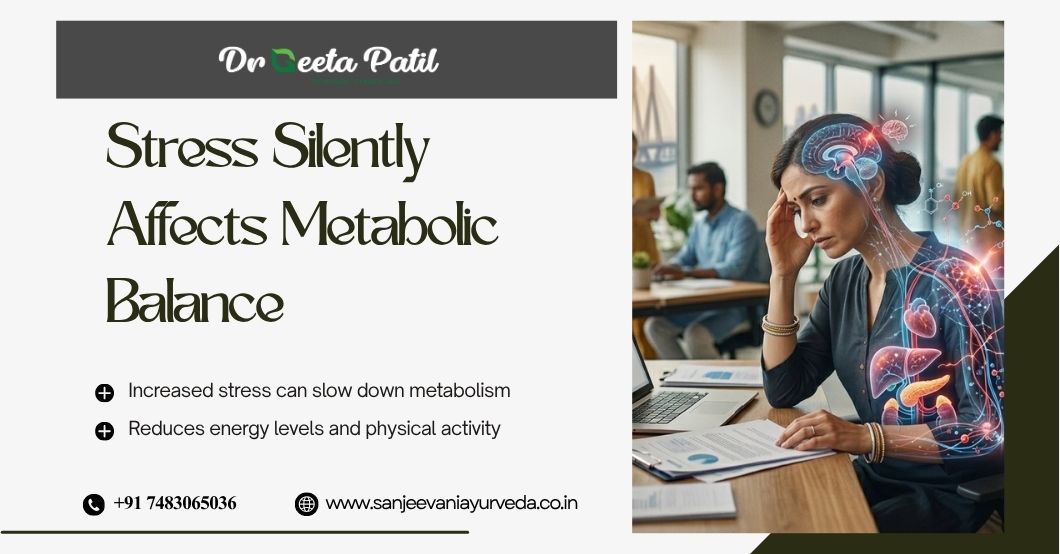
In today’s fast-moving world, stress has become a regular part of life. While its visible effects—such as tiredness, mood changes, and poor sleep—are easy to notice, its deeper impact on the body often goes unnoticed. One such connection is between chronic stress and metabolic balance, which may also reflect in thyroid-related concerns. The thyroid gland plays an important role in regulating energy, metabolism, and hormonal coordination. When stress becomes long-term, it may disturb this balance and influence overall well-being.
🔹 Understanding Thyroid Function
The thyroid is a small, butterfly-shaped gland located in the neck, yet it has a significant influence on the body. It produces hormones that help regulate metabolism, body temperature, and energy levels. When functioning optimally, the body maintains internal balance. However, disturbances in hormone regulation may contribute to conditions commonly referred to as hypothyroidism or hyperthyroidism.
🧠 How Stress May Influence Metabolic & Hormonal Balance
Hormonal Disturbance
From a modern perspective, prolonged stress increases cortisol levels, which may interfere with the communication between the brain and endocrine system. This can influence hormonal coordination in the body.
Reduced Metabolic Efficiency
During long-term stress, the body may shift into a protective mode, conserving energy. This may slow metabolic processes and lead to symptoms such as fatigue or changes in weight.
Low Energy Levels
Chronic stress can reduce the body’s ability to efficiently utilize available energy, leading to persistent tiredness, even when other parameters appear normal.
Nervous System Imbalance
Stress overstimulates the “fight-or-flight” response. Over time, this imbalance in the nervous system may influence overall endocrine function and internal stability.
📜 Ayurvedic Understanding of Stress and Metabolic Imbalance
According to Ayurveda, health is maintained through balance between body, mind, and internal processes. Although thyroid disorders are not described as a separate disease entity in classical texts, similar conditions are understood through Dosha imbalance, especially involving Vata, Pitta, and Kapha.
🌸 Ayurvedic Approaches to Support Balance
- Calming the Mind: Practices such as meditation, pranayama (breathing techniques), and mindfulness may help relax the nervous system and reduce stress.
- Supporting Digestive Strength: Maintaining a healthy Agni through warm, balanced meals and regular eating habits may support better metabolic function.
- Herbal Support (Under Guidance): Certain Ayurvedic herbs are traditionally used to support stress management and overall balance. These should be taken under expert guidance.
- Consistent Daily Routine (Dinacharya): Following a regular routine—including proper sleep, timely meals, and balanced activities—helps maintain internal stability.
🌱 Simple Lifestyle Habits That Can Help
Small, consistent changes can make a meaningful difference:
- Practice meditation for 10–15 minutes daily
- Maintain a regular sleep schedule
- Reduce screen exposure before bedtime
- Eat freshly prepared, warm, and nourishing foods
- Engage in gentle activities like yoga or walking
- Stay hydrated and moderate caffeine intake
These habits may support stress reduction and overall metabolic balance.
💡 Why Awareness Matters & Conclusion
Often, focus is placed only on managing symptoms without addressing underlying factors like stress. Without managing stress, achieving long-term balance may become challenging. Understanding this connection encourages a more holistic and mindful approach to health.
Conclusion: Stress may not always be visible, but its impact on internal balance can be significant. It may influence energy levels, metabolism, and overall well-being. Ayurveda offers a holistic perspective by focusing on restoring balance through mindful lifestyle practices, digestive health, and mental calmness. Small, consistent changes in daily habits can play an important role in supporting long-term wellness.
🌿 For more holistic guidance
Visit: www.sanjeevaniayurveda.co.in
Consult Dr. Geeta Patil for personalized Ayurvedic protocols to restore metabolic harmony and stress resilience.
⚠️ Disclaimer: This information is intended for awareness purposes only and should not be considered a substitute for professional medical advice or consultation.