

About Us
Sanjeevani Ayurveda, is a centre for healthcare through authentic Ayurveda established by Dr Geeta Patil.
Dr Geeta is an ayurvedic Consultant with over 20 years of experience. She treats patients by giving indetail counselling regarding treatment , diet and lifestyle management and if necessary customised Panchakarma therapies.
Contact Info
- Bangalore, India
- (+91) 7483065036
- wellness.sanjeevani@gmail.com
- All Days Open: 8.00AM to 8.00PM
Knee Wellness Blog
Healthy Knees Need Daily Care: Your Complete Guide to Strong & Pain-Free Knees
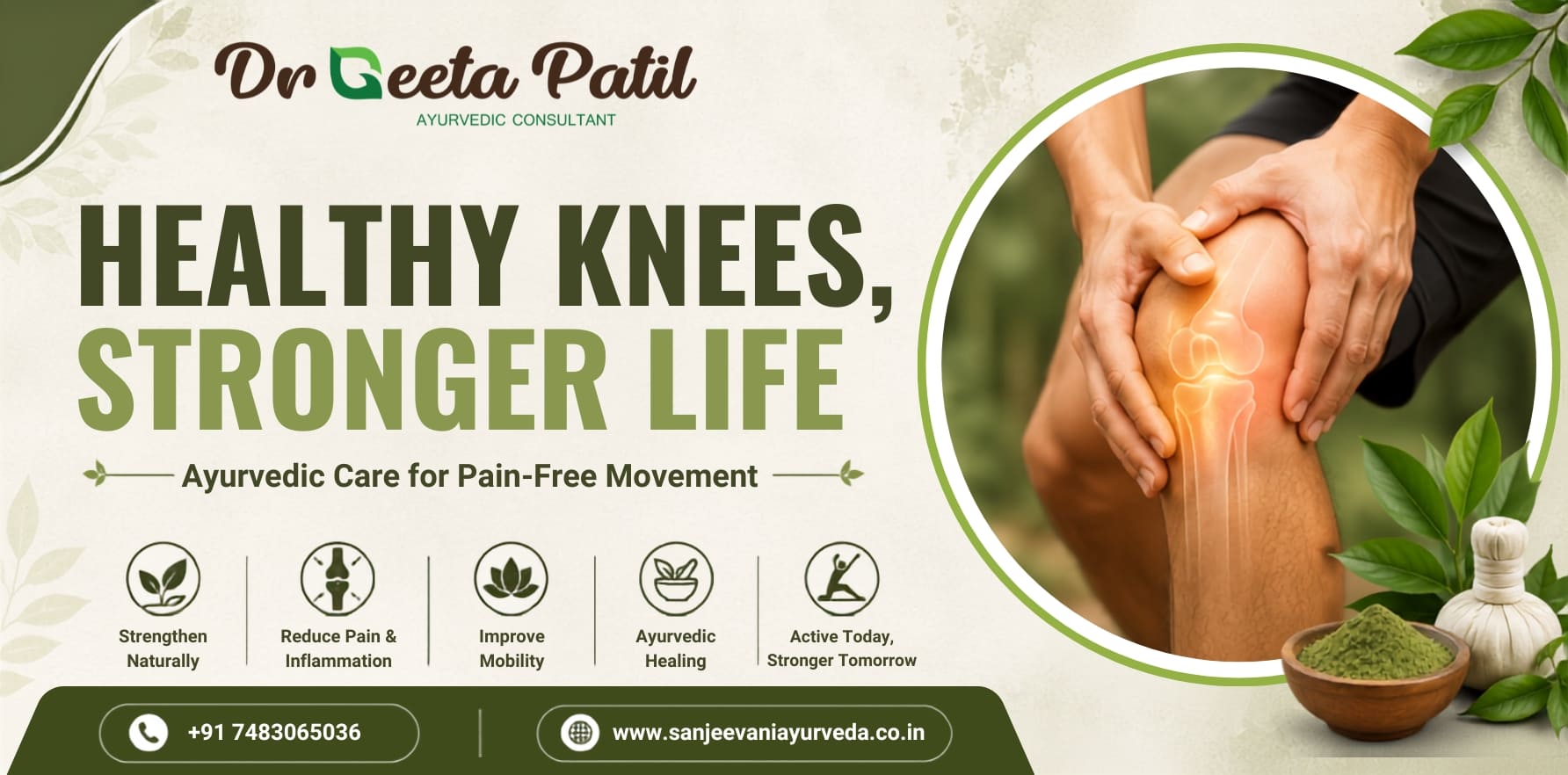
Your knees are among the hardest-working joints in your body. Every step, squat, climb, or jump depends on their strength and flexibility. Yet, most people begin caring for their knees only after pain or stiffness develops.
Healthy knees aren't built overnight—they're maintained through consistent daily habits. Whether you're a young professional, an active athlete, a homemaker, or a senior citizen, taking preventive measures today can help you maintain mobility and independence for years to come.
At Sanjeevani Ayurveda, JP Nagar, Bangalore, we believe that maintaining healthy daily habits may help support long-term knee wellness. Along with professional guidance, a healthy lifestyle and Ayurvedic principles can support long-term knee wellness.
In this comprehensive guide, we'll discuss five essential daily habits that may help support healthy knees naturally.
Why Daily Knee Care Matters
The knee joint is one of the largest and most complex joints in the human body. It bears your body weight while allowing movement in almost every daily activity.
Over time, factors such as:
- Aging
- Excess body weight
- Poor posture
- Lack of exercise
- Muscle weakness
- Nutritional deficiencies
- Previous injuries
can place additional stress on the knees.
Ignoring these factors may increase the risk of discomfort, reduced mobility, and joint-related conditions later in life.
Daily care focuses on reducing unnecessary stress while supporting joint strength and flexibility.
1 Maintain a Healthy Body Weight
One of the simplest yet most effective ways to support knee health is maintaining an appropriate body weight.
Every extra kilogram of body weight increases the load on your knees significantly while walking, climbing stairs, or exercising.
Research consistently shows that maintaining a healthy weight may help reduce stress on knee joints and improve mobility.
Benefits of Healthy Weight
- Less pressure on cartilage
- Improved movement
- Better balance
- Lower risk of joint degeneration
- Easier daily activities
Weight Management Tips
- Eat balanced meals
- Control portion sizes
- Avoid excessive processed foods
- Stay hydrated
- Include seasonal fruits and vegetables
- Follow a consistent meal schedule
2 Stay Physically Active
Many people think resting completely protects the knees. In reality, prolonged inactivity may weaken muscles that support the joints.
Regular physical activity helps:
- Improve flexibility
- Maintain joint lubrication
- Enhance circulation
- Support healthy muscles
- Improve balance
The goal is not intense exercise but consistent movement.
Knee-Friendly Activities
- Walking: A brisk 20–30 minute walk helps maintain mobility.
- Swimming: Water reduces pressure on joints while strengthening muscles.
- Cycling: Low-impact cycling improves knee flexibility.
- Yoga: Certain yoga postures help improve flexibility and posture.
- Stretching: Gentle stretching keeps muscles relaxed and joints mobile.
Avoid sudden increases in exercise intensity and always warm up before workouts.
3 Strengthen Your Leg Muscles
Strong muscles act like natural support systems for the knees. The quadriceps, hamstrings, calves, and hip muscles help absorb impact during movement. Weak muscles force the knee joint to handle more stress directly.
Simple Strengthening Exercises
- Straight Leg Raises: Helps strengthen the quadriceps.
- Wall Sits: Builds endurance in the thigh muscles.
- Step-Ups: Improves balance and leg strength.
- Hamstring Curls: Supports the back of the thigh.
- Calf Raises: Enhances ankle stability and overall lower limb strength.
Start with light repetitions and gradually increase based on your comfort level. If you already experience persistent knee discomfort, seek professional guidance before beginning a new exercise program.
4 Practice Good Posture
Posture plays a surprisingly important role in knee wellness. Poor alignment while sitting, standing, or walking can place uneven pressure on the joints.
Good Posture Tips
- While Standing: Keep shoulders relaxed, distribute weight evenly, avoid locking your knees.
- While Sitting: Keep feet flat on the floor, maintain proper back support, avoid sitting continuously for long periods.
- While Walking: Wear supportive footwear, walk with natural strides, avoid slouching.
- While Lifting Objects: Bend your hips and knees, keep the object close to your body, avoid twisting while lifting.
Proper posture helps distribute body weight efficiently, reducing unnecessary joint strain.
5 Eat a Balanced Diet
Nutrition plays a major role in maintaining healthy joints. Although no single food can completely prevent joint issues, a balanced diet supports overall wellness.
Foods That Support Joint Health
- Leafy Green Vegetables: Rich in vitamins and antioxidants.
- Fruits: Especially berries and citrus fruits provide Vitamin C.
- Nuts and Seeds: Contain healthy fats and minerals.
- Whole Grains: Support overall health.
- Protein Sources: Help maintain muscle strength.
- Healthy Fats: Sources like flaxseeds and walnuts provide omega-rich nutrients.
Stay hydrated throughout the day, as water supports overall body function.
Additional Daily Habits for Healthy Knees
Besides the five primary habits, consider these lifestyle practices:
- Wear comfortable footwear.
- Avoid prolonged sitting.
- Take short movement breaks during work.
- Stretch before exercise.
- Warm up before physical activity.
- Avoid sudden twisting movements.
- Sleep adequately.
- Manage stress effectively.
The Ayurvedic Perspective on Knee Wellness
Ayurveda views joint health as a reflection of overall balance within the body. Factors such as lifestyle, digestion, daily routine, and age are considered when supporting musculoskeletal wellness.
Depending on an individual's condition, Ayurvedic practitioners may recommend personalized approaches that include dietary guidance, lifestyle modifications, and traditional therapies.
At Sanjeevani Ayurveda, each consultation is tailored to the individual's health needs rather than following a one-size-fits-all approach.
When Should You Consult a Professional?
While occasional discomfort after physical activity can be normal, persistent symptoms should not be ignored.
Consult a healthcare professional if you experience:
- Persistent knee pain
- Swelling
- Joint stiffness lasting several days
- Difficulty walking
- Clicking with pain
- Instability while standing
- Limited range of motion
Early evaluation may help identify the underlying cause and support timely management.
Common Myths About Knee Health
- Myth 1: Knee pain only affects older adults. Fact: People of all ages can experience knee problems due to injuries, poor posture, obesity, or repetitive strain.
- Myth 2: Complete rest is always the best treatment. Fact: Appropriate movement and guided exercises are often important for maintaining joint function.
- Myth 3: Cracking knees always indicate serious disease. Fact: Occasional painless joint sounds are common and may not indicate a medical problem.
- Myth 4: Exercise damages the knees. Fact: Proper, low-impact exercise generally supports healthy joints.
- Myth 5: Good nutrition has no effect on joints. Fact: Balanced nutrition supports muscles, bones, and overall joint health.
Daily Knee Care Checklist
- ✔ Maintain a healthy body weight
- ✔ Stay physically active
- ✔ Strengthen your leg muscles
- ✔ Practice proper posture
- ✔ Eat a balanced diet
- ✔ Stay hydrated
- ✔ Wear supportive footwear
- ✔ Stretch regularly
- ✔ Sleep well
- ✔ Seek professional advice if symptoms persist
Why Choose Sanjeevani Ayurveda?
At Sanjeevani Ayurveda, we believe in promoting long-term wellness through personalized Ayurvedic care and lifestyle guidance. Our approach focuses on understanding each individual's unique needs and supporting overall health with traditional Ayurvedic principles.
Clinic Details
Sanjeevani Ayurveda
JP Nagar, Bangalore
7483065036
Conclusion
Healthy knees are built through consistent daily care rather than occasional effort. By maintaining a healthy weight, staying active, strengthening your leg muscles, practicing good posture, and eating a balanced diet, you can support long-term joint wellness and maintain an active lifestyle.
If you're looking for personalized Ayurvedic guidance to support your knee health, Sanjeevani Ayurveda, JP Nagar, Bangalore is here to help with individualized consultations and holistic wellness recommendations.
Results may vary. This information is intended for educational purposes only and is not a substitute for professional medical advice, diagnosis, or treatment. Consult a qualified healthcare professional or Ayurvedic practitioner for personalized guidance.
Disclaimer: Results may vary. This information is intended for educational purposes only and is not a substitute for professional medical advice, diagnosis, or treatment. Consult a qualified healthcare professional or Ayurvedic practitioner for personalized guidance.
Frequently Asked Questions (FAQs)
You can support healthy knees by maintaining a healthy body weight, exercising regularly, strengthening your leg muscles, eating a balanced diet, staying physically active, and practicing good posture.
Yes. Moderate walking supports joint mobility, muscle strength, and overall knee function. If you have persistent knee pain or an existing joint condition, consult a healthcare professional before starting a new exercise routine.
Exercises such as straight leg raises, wall sits, step-ups, hamstring curls, and calf raises are commonly recommended to strengthen the muscles that support the knees. Perform these exercises with proper technique and professional guidance if needed.
Yes. Maintaining a healthy body weight may reduce the load placed on the knee joints during walking, climbing stairs, and other daily activities, helping support long-term joint health.
A balanced diet that includes leafy green vegetables, fruits, whole grains, lean protein, nuts, seeds, and healthy fats provides nutrients that support overall joint and muscle health.
Yes. Prolonged sitting may contribute to knee stiffness and reduced mobility. Taking regular breaks to stand, stretch, and move around can help maintain joint flexibility.
Ayurveda emphasizes personalized lifestyle guidance, balanced nutrition, and traditional therapies that may support overall musculoskeletal wellness. Individual recommendations should always be provided by a qualified Ayurvedic practitioner.
If your knee pain is persistent, severe, or accompanied by swelling or instability, consult a healthcare professional before beginning or continuing any exercise program. Appropriate exercises should be selected based on your condition.
Yes. Maintaining good posture while standing, sitting, and walking helps distribute body weight evenly and may reduce unnecessary stress on the knee joints.
Seek professional medical advice if you experience persistent knee pain, swelling, stiffness, instability, difficulty walking, or a reduced range of motion. Early evaluation can help identify the underlying cause and appropriate treatment.